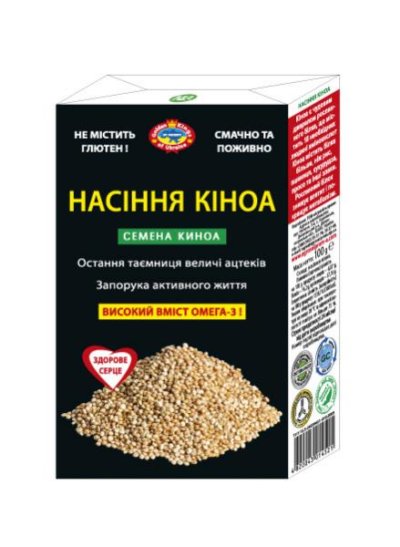
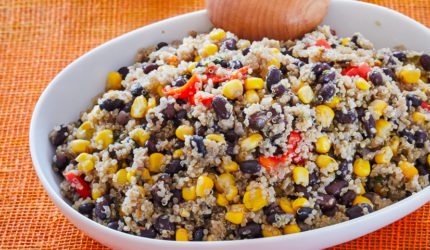
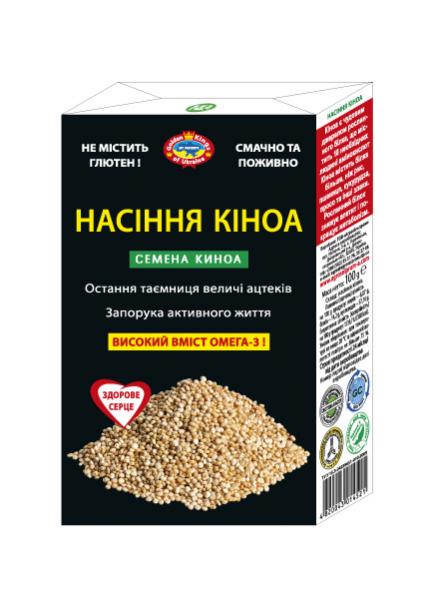
The homeland of the unique useful plant of the quinoa – highlands of the Andes. Since ancient times, Indians use its seeds as the main source of food, saturating your body with the healing powers of this cereal. The ancient Incas gave it the name “golden grain” and since then the quinoa have been called “the golden grain of the Incas” or “the croup of Andean Indians”.
The UN General Assembly proclaimed 2013 the International Year of Quinoa – in recognition of the fact that the indigenous peoples of the Andes, thanks to traditional knowledge and life skills in harmony with nature, have preserved the quinoa for present and future generations. UN Secretary-General Ban Ki-moon said that this agricultural crop can make a huge contribution to ensuring food security in the world.
In cooking, quinoa seeds are used to make soups, cereals, all kinds of salads, side dishes, sauces, snacks, casseroles, puddings, desserts, add to bread and homemade cakes. Quinoa goes well with meat, fish and vegetables.
From quinoa seeds can be made excellent friable porridge. Prepare it simply: this groats do not require soaking and after boiling, cook for no more than 15 minutes. Then open the lid and wait 2-3 minutes for the remaining water to evaporate. Cooked grain is useful for eating as breakfast, adding dried fruits, nuts or honey.
Quinoa is good in combination with other cereals, for example with buckwheat.
Since the quinoa is not cereal, it can be eaten at any time of the day.
Porridge made of quinoa is an easy, nutritious, tasty and healthy dish. It is ideal for those who are looking for products that are easily digested.
Quinoa can be a base of a magnificent pilaf with mushrooms, it can be stuffed into tomatoes or be sprinkled with roasted grains onto homemade cakes. In this case, the baking acquires an original memorable taste and is enriched with valuable nutrients and fibers. From the quinoa you can cook sweet and unsweetened dishes, add it to cold and hot snacks, use instead of meat in a vegetarian diet. Quinoa is a worthy alternative to oatmeal. It can replace oatmeal in almost all dishes.
A bright, memorable taste of porridge from the quinoa will be enjoyed bt whole family and after the first tasting you will often use this groats.
Currently, quinoa seeds are often present in the vegetarian menu. They are boiled and served as a side dish or added to soups. To properly prepare the quinoa seeds, you must adhere to three rules: to wash them well (otherwise the porridge will get a taste of bitterness), not to overboil (otherwise the dish will become bitter) and stir thoroughly (to avoid sticking).
The taste of the quinoa is similar to the taste of unpeeled rice. From flour, obtained from seeds quinoa, is baked bread and produced pasta. And if you mix it with sugar and dilute with water, you will get a well thirst quencher.
According to the specialists of the cinema, it is included in the 20 most useful food products in the world. This croup is almost completely absorbed by the human body and enriches it with many useful substances. This product should pay attention to people who lead a healthy lifestyle and those who adhere to a vegetarian diet.
Quinoa is an excellent source of vegetable protein, containing 18 amino acids necessary for the person (including Omega-3). The quantity of protein in the quinoa is more than in rice, wheat, corn, millet and other cereals. Vegetable protein reduces appetite and improves metabolism.
The quinoa also contains fats, carbohydrates, fiber, vitamins (A, E, C, B1, B2, B3, B5, B6, B9), beta-carotene, lutein, macro- and trace elements (potassium, calcium, phosphorus, iron, zinc , Magnesium, manganese, selenium, copper, sodium).
The quinoa contains much more alpha-tocopherol, folic acid, riboflavin and fiber than in rice, wheat and barley.
The presence in a movie tryptophan allows the body to produce a “hormone of joy” – serotonin, and phytic acid, contained in kinoa, reduces the level of cholesterol in the blood and is the prevention of cancer.
The seeds have a low glycemic index (35) and low calorie content, but a very high percentage of protein content. According to the protein content, this croup can be compared with milk, and the blood sugar level, thanks to a low glycemic index, remains balanced. The desire to eat something sweet does not arise – and it is also useful for losing weight!
If during the day you eat 2-3 servings of porridge quinoa, then you will get fewer calories, compared with one portion of rice or pasta.
Useful properties of quinoa:
- Has a powerful restorative effect;
- Has a beneficial effect on the cardiovascular system, helps reduce bad cholesterol in the blood, protects against anemia, is useful to hypertensive patients;
- Due to its ability to reduce blood sugar levels, quinoa is recommended for people with diabetes mellitus;
- Helps with migraines, helps reduce blood pressure;
- Has a calming effect on the nervous system;
- Favors the removal of toxins and toxins from the body;
- Useful to children and people of advanced age, contributing to the strengthening of bone tissue and helping with many diseases of the bone system;
- The essential amino acid lysine, which is part of the quinoa, helps to heal wounds;
- It is recommended to people who have suffered serious illnesses or accidents, as well as those who are engaged in heavy physical labor, quickly restoring strength, saturating and strengthening the body;
- It is recommended to include quinoa in the diet of pregnant women, people with overweight, athletes and those who experience regular physical activity and stress;
- It is useful for the prevention of colon cancer.
Fiber, which is in plenty in grain quinoa, is combined with other trace elements, is indispensable for the treatment of obesity and the fight against obesity. With its help, cholesterol is excreted from the body, the intestines are cleared, and fats are split. Fibers found in fiber absorb low cholesterol, thus preventing it from being deposited on the walls of blood vessels in the form of blood clots and cholesterol plaques, which helps prevent cardiovascular disease and stroke. A large amount of plant fiber allows you to quickly saturate and satisfy hunger for a longer period, which, in turn, allows you to eat less food and, accordingly, to get fewer calories.
SEEDS OF QUINOA COMPOSITION AND USEFUL PROPERTIES
Quinoa seeds – a real storehouse of protein. Its amount in the seeds of quinoa is on average 16%, and some varieties contain up to 20%, while in rice, only 7.5%, and in wheat and corn, even less – 3.5%.
The amino acid composition of proteins is extremely balanced and similar to the proteins of milk. The protein is contained in a solid state, due to which it is easily digested and thus useful for pregnant women, sportsmen and children. In addition to the unique protein composition, the croup has a full set of necessary substances – carbohydrates, fats (saturated with lecithinic acid), minerals, fiber, B vitamins, phosphorus, iron, zinc, potassium and calcium. The amino acid lysine, contained in the grains, promotes the healing of tissues and the formation of strong bones in children. All these components are needed to maintain beauty and health for the body.
Useful properties of quinoa seed
In quinoa seeds, there are much more alpha-tocopherol, folic acid, cellulose, riboflavin and complex carbons than in rice, wheat and barley. Its easy digestibility and unique protein composition allow you to compare the rump with breast milk. Saturation with lysine helps to avoid such troubles as anemia, hair loss, irritability, poor appetite and stunted growth.
The benefits of quinoa seeds are manifested for those suffering from diabetes, hypertension and heart disease. The presence in them of a substance such as tryptophan, allows the body to produce a hormone of joy – serotonin. A phytic acid reduces the level of cholesterol in the blood and is the prevention of cancer.
Groats of quinoa does not contain gluten, that is why it is often prescribed to allergic people.
At present, this grain culture is often present in the vegetarian menu. It is boiled and served as a side dish or added to soups. To properly prepare quinoa, you must adhere to three rules: wash it well (otherwise the porridge will get a bitter taste), do not overboil (otherwise the quinoa will become liquidy) and carefully stir the cooked product (to avoid sticking).
The taste of cereal grains is similar to non-peeled rice. From the flour obtained from this plant, is baked bread and produced pasta. And if you mix it with sugar and dilute with water, you will get a well thirst quencher.
According to USDA Nutrient Database 100 g of quinoa seeds contain:
- Water 13.28 grams
- Proteins – 14.12 grams
- Fats – 6.07 grams
- Carbohydrates – 57.16 g
- Dietary fiber (fiber) – 7 g
- Ash – 2.38 grams
Vitamins:
- Vitamin A (beta-carotene) – 1 μg
- Vitamin B1 (thiamine) 0.36 mg
- Vitamin B2 (riboflavin) – 0.318 mg
- Niacin (vitamin B3 or vitamin PP) – 1.52 mg
- Vitamin B5 (pantothenic acid) – 0.772 mg
- Vitamin B6 (pyridoxine) – 0.487 mg
- Folic acid (vitamin B9) – 184 μg
- Vitamin C (ascorbic acid) – 6.8 mg
- Vitamin E (tocopherol) – 2.44 mg
- Choline (vitamin B4) – 70.2 mg
Microelements:
- Potassium – 563 mg
- Calcium 47 mg
- Magnesium 197 mg
- Sodium – 5 mg
- Phosphorus 457 mg
Microelements:
- Iron – 4.57 mg
- Manganese – 2.033 mg
- Copper – 590 μg
- Selenium 8.5 μg
- Zinc 3.1 mg
Nutritionists believe that quinoa is outstanding among cereals by the number of valuable substances.
The main advantage of culture is that it is an excellent source of vegetable whole protein (it is even more in the movies than in buckwheat), while the protein of the quinoa is perfectly digested. The raw grains contain on the average 16.2% protein, and in a number of varieties – more than 20% (for comparison: 11-14% in wheat, 10 – in prosice, 7.5 – in rice, 3.5 – in maize) . It is this protein content that made the quinoa just an indispensable product for pregnant women, children, athletes and people engaged in physical or mental work.
This product, as no other source of protein, contains all the valuable amino acids: arginine, valine, isoleucine, histidine, lysine, leucine, methionine, cysteine, tryptophan, threonine, phenylalanine, tyrosine.
Due to the fact that the culture contains lysine, the body absorbs calcium better, and the healing of damaged tissues occurs faster and more efficiently. Also, lysine helps to improve growth and has a good effect on the formation of bones.
Also there are almost all interchangeable amino acids: alanine, aspartic acid, glycine, glutamic acid, serine, proline, cysteine, tyrosine in quinoa.
In addition to unique proteins, the quinoa contains both fats (high in lecithinic acid), carbohydrates, minerals, fiber and vitamins B. In movies, more folates (4 mg), riboflavin (0.1 mg) and fiber (2.8 g), than in barley, wheat and rice.
Fiber helps to remove toxins and other harmful substances from the body, cholesterol. In addition, the product is rich in phytic acid, which can reduce cholesterol and prevent the development of cancer.
The seeds of quinoa contain many different minerals: magnesium, potassium, iron, calcium, zinc. Also, they are rich in phosphorus. So, it is three times more than in rice of the highest quality, and as much as in many kinds of fish.
5 reasons to eat quinoa seeds in the food:
- Absence of gluten in the composition.
- High content of phosphorus, B vitamins, calcium and iron, as well as the most valuable antioxidants of quercetin and kaempferol.
- The full value of the protein component is the only croup in the world that is close to meat by amino acid composition.
- Low or medium glycemic index (from 35 to 53 in different grades) and ability to equalize blood sugar level.
- Unusual taste and texture, as well as culinary versatility: quinoa seeds are used to make pastry and pasta, salads, side dishes.
SEEDS OF QUINOA IN COMBATING DISEASES
Therapeutic and useful properties
- Quinoa is very useful for those who suffer from cardiovascular diseases, hypertension and diabetes. It reduces the level of sugar and cholesterol in the blood, and also provides reliable protection against the development of malignant tumors.
- Normalizes digestion, cleanses the body of toxins.
- This culture is absorbed by the body almost completely.
- It contains absolutely no gluten, so it is recommended to people suffering from allergic reactions.
- Quickly restores strength, satiates and strengthens the body, so it is recommended to people who have suffered a serious illness and operation, as well as those who are engaged in heavy physical labor.
- Strengthens the bones and helps with many diseases of the bone system.
- The high content of high-grade vegetable protein makes this culture a valuable product for vegetarians, athletes, pregnant women, children and slimming ones.
The healing properties of the culture were discovered by Indians, for which the seeds of the plant were one of the components of the diet. It has a beneficial effect on the heart and the vascular system, due to the presence of magnesium relieves tension in the vessels. People suffering from migraines, including quinoa in their diet, will be able to get rid of the pain permanently.
Due to its composition, this product, first of all, is necessary for the formation of a healthy and strong organism, from the bones to the internal organs. Constant use will help to strengthen the bones, which means, to get rid of many diseases, for example, arthritis, which is important for the elderly.
The constant use of quinoa will lower the level of sugar, prevent the development of cardiovascular diseases, help to protect against anemia.
Experts recommend using quinoa to feed pregnant and lactating women. When breast feeding, it is recommended to enter the product into the diet with caution, watching the reaction of the child.
But first of all, quinoa is a powerful restorative means, which is so necessary for people who had surgery or complicated illnesses, as well as those who spend a lot of energy every day.
Seeds of quinoa contain saponins, they proved effective in the prevention of cholesterol deposits. In addition, a high content of cellulose also gives a certain benefit; The use of quinoa is considered a good option for those who want to strengthen immunity. Apparently, this is due to the high protein content; The quinoa does not contain gluten, and can be a component of the ration of allergy sufferers and a good option for those with celiac disease.
In short – about quinoa seeds
- It is ideal for vegetarians and can replace animal protein.
- It does not contain cholesterol and gluten, which allows you to eat cereal with sick celiac disease.
- There is no gluten in it, than suitable for gluten-free diet.
- Grains contain lysine, which promotes faster healing of wounds.
- The glycemic index (35), therefore, is not contraindicated to diabetics and does not contribute to a sharp increase in blood sugar levels.
- Helps strengthen bone tissue.
- Stimulates the work of the intestine.
- Contains scant amounts of starch. In a condition to replace a potato, rice, macaroni, but thus does not concede to these products on a nutritiousness.
- The fibers available in the croup absorb bad cholesterol, thus preventing it from being deposited on the vessel walls in the form of blood clots and cholesterol plaques, which helps in the prevention of cardiovascular diseases and stroke.
- Contains powerful antioxidants and flavonoids, which have an antiviral, anti-inflammatory effect.
The strength of the impact on the human body quinoa can`t be compared to any cereal. It is a very valuable source of digestible vegetable protein. In some sorts of grain its content exceeds 20%, which is much higher than the average statistical indicators. In this case, the protein contained in the croup of quinoa, has an ideal balance of amino acid composition and properties close to milk proteins. This makes the quinoa an indispensable product for children, vegetarians, pregnant women, athletes and people who are constantly exposed to great physical or mental stress.
Thanks to the lysin contained in the quinoa, the body absorbs calcium very well, it promotes growth, strengthening and formation of bone tissues. Therefore, this product will be an excellent preventive and therapeutic agent for arthrosis, arthritis and other similar diseases. Also, the croup of quinoa helps in the rapid healing of damaged tissues, prevents the appearance of anemia, hair loss, irritation and absent-mindedness.
9 USEFUL PROPERTIES OF THE QUINOA IN THE FIGHT AGAINST DISEASES
1. NECESSARY ELEMENT IN THE RATION OF PATIENTS WITH CELIAC Disease.
Celiac disease is a disease associated with gluten intolerance, which is found in most cereals. Studies show that the inclusion of a very nutritious cereal quinoa in a gluten-free diet with celiac disease is well tolerated by patients and does not worsen their condition.
2. PREVENTION OF OSTEOPOROSIS. HELP AT ARTHRITIS.
Quinoa contains a lot of minerals, including manganese, which is an important component for preventing osteoporosis and arthrosis. It is able to significantly compact the bone tissue. One cup of prepared quinoa contains about 1,167 mg of manganese, which is 50.74% of the daily recommended dose. Therefore, consuming quinoa, it is possible to prevent such dangerous diseases as osteoporosis, arthrosis and other bone diseases.
3. IMPROVEMENT OF THE WORK OF THE DIGESTIVE SYSTEM.
Phosphorus and calcium are no less important elements for maintaining bone health and integrity. In addition, phosphorus plays an important role in improving digestion. It stimulates digestion with niacin and riboflavin, and makes the digestive process more effective. Phosphorus helps to get rid of constipation, indigestion and diarrhea. Thus, the inclusion of cereals in the daily diet helps to solve many problems with the digestive tract.
4. NORMALIZATION OF THE THYROID FUNCTION
Copper is of great importance for the general state of human health, since this mineral provides a normal process of metabolism together with amino acids and vitamins. Copper can be produced directly in the body, as well as replenished from external power sources. Quinoa contains a significant amount of copper, which is necessary for normal thyroid function. One cup of cooked quinoa consists of 0.355 mg of copper, which is 39.44% of the recommended daily dose. Excess of copper is also a cause of disruption of the thyroid gland, so a well-balanced amount of copper is the guarantee of your body’s health. Imbalance can lead to hypothyroidism or hyperthyroidism.
5. PREVENTION OF ANEMIA IN PREGNANCY
Iron has a direct relationship to the proper growth of the human body and the maintenance of its strong health. Deficiency of iron can cause weakness, fatigue, poor concentration and many other unpleasant sensations. A full value of iron in the body is very important for pregnant women, so future mothers should consume more foods rich in iron, including quinoa.
6. IMPROVEMENT OF CARDIAC-VASCULAR SYSTEM WORK
Magnesium is an important mineral for maintaining health. It is necessary for the maintenance of cardiac muscles and nerve functions in the norm and for the prevention of arrhythmia. Magnesium deficiency can lead to heart disease, which often leads to a fatal result. The food rich in magnesium must necessarily be included in the human diet to reduce the various risks of heart disease. Consumption of quinoa protects the heart from uneven heartbeats, and also carefully protects the heart from damage and muscle strains. One serving of cooked cereal quinoa contains 118 mg of magnesium, which is 28.10% of the daily recommended product rate.
7. PREVENTION OF ANEMIA IN Spanaemia
Vitamin B9 (folic acid) is necessary for the acceleration of metabolic processes in the human body. It has a beneficial effect on the treatment of patients suffering from anemia as a result of a deficiency of folic acid. It can be found in products such as green vegetables, cheese and mushrooms. Synthetic folic acid can be used to treat diseases caused by a deficiency of folic acid. It can be included as part of the recommended treatment mainly in cases of menstrual irregularities, as well as with ulcers on the legs.
8. PREVENTION OF EYE DISEASES
Poor nutrition and nutritional deficiencies are the main cause of a number of eye diseases. Studies have shown that regular consumption of foods rich in vitamin B6, including quinoa, can help prevent various eye diseases, and even loss of vision. Consumption of quinoa can slow the onset of certain eye diseases, in particular age-related macular degeneration. One cup of cooked cereal contains 0.228 mg of vitamin B6, which is 17.54% of the daily recommended dose.
9. CONTROL OF SUGAR LEVEL IN BLOOD. DIABETES PREVENTION.
Dietary fiber contained in the quinoa is very useful not only for full digestion, it is also able to slow down the absorption of sugar and, accordingly, increase its level in the blood of people suffering from diabetes. Fibers help maintain a healthy weight, reduce the risk of diabetes, and also prevent the development of heart disease.
SEEDS OF QUINOA AND SLIMMING
Quinoa contains a lot of fiber, thanks to that, it is simply necessary for everyone who suffers from heart disease, diabetes, is overweight to consume it.
Quinoa is considered to be useful for: improving digestion. This is a valuable source of fiber. It helps to establish regular cleansing of the intestines, get rid of constipation and its unpleasant “external” consequence – edema. Cellulose of quinoa has a beneficial effect on the intestinal flora. In the end, the use of different cereals promotes a more complete assimilation of nutrients from food. Fiber is very useful for losing weight. It provides more satiety with fewer calories. Usually those who want to lose weight are advised to eat about 25 grams of fiber per day from different foods; Health of the hormonal system. Quinoa gives us complex carbohydrates. Without them, it is extremely difficult to maintain the normal rate of metabolic processes. Their deficiency can affect the secretion of thyroid hormones. For a long time people who refuse cereals can suffer from the inability to lose weight even on a low-calorie diet, too; Complex carbohydrates “nourish” our nervous system. It is known that the minimum of carbohydrates for brain work is 140 grams per day. Some of them can be obtained from quinoa. If you refuse yourself in carbohydrate fuel, sooner or later, there will be problems with the nervous system. Many people who abandoned croups and not replenishing the deficit with fruits suffer from insomnia, headaches, sleep disorders, and retardation; The use of cereals according to some data promotes healthy eating behavior. Their exclusion is often the reason why a person turns to too frequent “approaches” to food, too “fractional” diet, and can not cope with himself, gaining kilograms and plunging deeper into self-blame. Usually, it is recommended that a minimum of 2-3 servings of cereals are recommended for those who lose weight, you can get half of the norm with a quinoa, or even all if you like it very much; quinoa can help in the fight against cholesterol and heart disease.
Seeds of quinoa do not cause gastrointestinal disturbances even for people sensitive to plant proteins; quinoa is considered to be a rich source of vitamins of group B. They allow our nervous system to work correctly, and participate in metabolism. Often nutritionists recommend weight-reducing people to monitor the consumption of these vitamins, as they affect the rate of metabolic processes.
Quinoa is ideal for losing weight. Even despite the high caloric content, the groats can be used in diets. Dietary fiber in quinoa is digested in the body for a long time, creating a satiety effect.
Groats is used in a gluten-free diet, which helps not only to get rid of excess kilograms, but also improves the functioning of the body. Given the high content of vegetable protein, quinoa can be included in the menu of protein diets. There are reports that the composition of cereals is similar in many ways to women’s milk.
Benefits of quinoa for slimming
- Grains retain a low calorie content – half a glass of cooked cereal contains only 110 calories. While for adults per day you need to consume up to 1200 calories.
- Thanks to the average glycemic index, the level of sugar in the blood after eating this cereal remains balanced and there is no desire to eat something sweet, and this is also a plus in favor of losing weight.
- Protein, in quinoa pretty much, reduces appetite and improves metabolism.
- A large amount of vegetable fiber helps to satiate faster and last longer to calm the hunger, which allows you to eat less per day and as a result to get fewer calories.
And one more thing about quinoa:
- Growth of muscles and strengthening of the body with the help of useful composition of the quinoa
- The abundance of fiber contributes to the removal of toxins from the body and accelerates the metabolism
- Soothes the nervous system
- Lowers blood sugar levels
- Quinoa can be used as a scrub to fight cellulite and to cleanse the skin
- It has a rejuvenating effect
- Thanks to a diuretic action, bile is excreted out of the body
CONTRAINDICATIONS TO USE SEEDS OF QUINOA
In the diet of children and nursing mothers, this groats should be used cautiously and gradually, since the fetus and one-year-old babies can be sensitive to this product.
Per se, there are no contraindications. Since the groats contain many oxalates (salts and esters of oxalic acid), an overabundance of which can lead to problems with the kidneys, you should consult a doctor before eating it, or just add it into your diet gradually. Also, it is recommended to refrain from using quinoa for nursing mothers, since it is known how a small, fragile organism will react to such a powerful charge of vitamins.
Quinoa is contraindicated to children under 2 years old, as well as people who have problems with kidneys and joints, since the plant contains oxalates and a large amount of protein. Also, cautiously and gradually, you need to add quinoa into diet of nursing mothers, as there is a possibility of young children`s individual intolerance.
It is not recommended the use of vegetable protein in the period of exacerbation of diseases of the gastrointestinal tract, pancreas, and with individual intolerance of the product. People with dysbacteriosis may have difficulty in digesting and assimilating the product. Sometimes there is an allergic reaction to vegetable protein, but its manifestations are extremely rare. Quinoa with caution should be added into children’s complementary foods, since it is very rich in fiber.

 en
en  ua
ua
 de
de  sk
sk  pl
pl  tr
tr  es
es  ge
ge  ru
ru